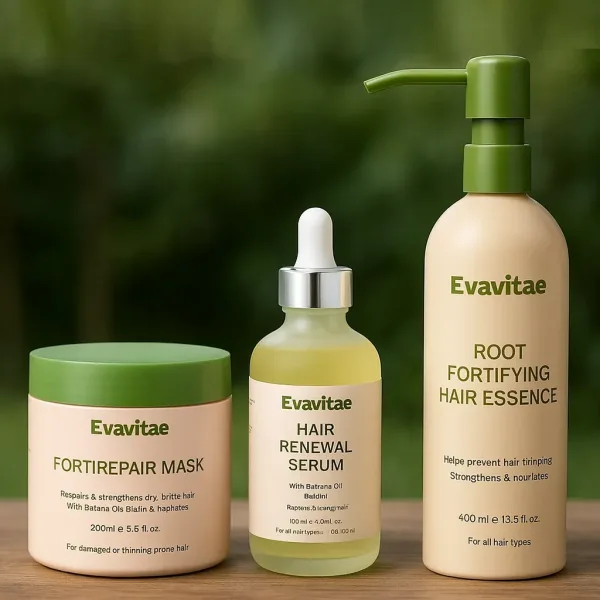
Comprehensive insights into strategic approaches to combat postpartum hair thinning?
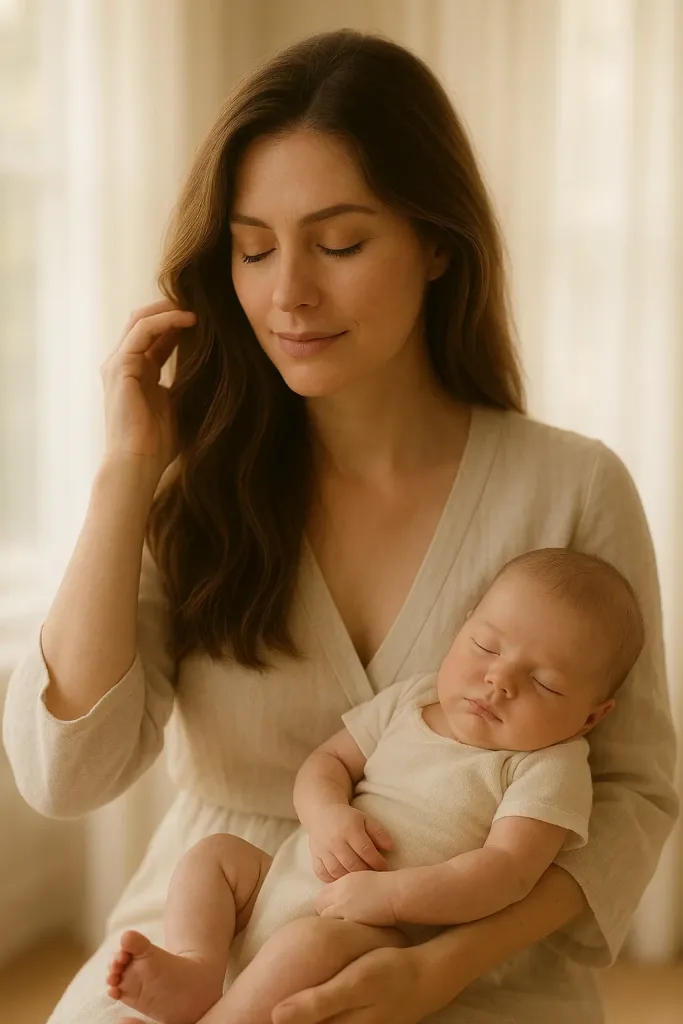
Begin exploring this extensive explanation
Understanding Hair Changes After Birth
Postpartum hair loss is a widespread condition experienced by numerous new mothers|Pregnancy-induced hormones trigger rapid hair growth cycles|Childbirth causes hormones to decrease abruptly resulting in hair loss|Despite concerns, hair shedding post-delivery is generally short-lived and self-correcting|Various determinants like family history, emotional stress, nutrient insufficiency, and illness affect hair loss postpartum|If concerns arise, consulting a healthcare provider is highly recommended|They offer treatment options and suggestions to encourage hair regrowth effectively
Postpartum Hair Shedding: Expectations and Warning Signs
Hormonal readjustments following birth usually lead to excessive hair fall|Hair shedding intensity is highest shortly after delivery, diminishing with time|Hair growth cycles usually return to baseline within a year postpartum|Extended periods of heavy hair fall demand health Hair loss treatment for women provider intervention|Noticeable hair bald spots and scalp itching often denote underlying issues|
- Unexpected hair fall varying from normal postpartum timelines
- Targeted scalp zones lacking hair growth
- Marked itching with scalp redness and sensitivity
Revitalizing Post-Birth Hair Beauty
Maternal physiological shifts during pregnancy can influence hair strands|Expectant mother’s endocrine system adjustments alter hair traits|Postnatal period frequently involves weakened and sparse hair strands|Revitalizing your hair requires proper nourishment from within
Consume meals fortified with vitamins critical for hair growth|Nutritious foods like fish, nuts, leafy greens, and eggs sustain hair nourishment|Prenatal multi-nutrients help fortify hair following childbirth|Limiting psychological strain safeguards hair growth health|Healthy sleep patterns are fundamental for hair restoration|Understand that hair recovery occurs slowly but steadily|Regular efforts bring rewarding hair volume enhancements
Care Options for Hair Thinning After Childbirth
Hormone modulation post-pregnancy leads to typical hair thinning in mothers|Transient hair shedding is common and may be emotionally taxing|A range of treatments target regaining postnatal hair health|Incorporating biotin and iron into diet fosters hair wellness|Gentle scalp massage optimizes oxygen flow to hair follicles|Explore available pharmaceutical and topical products with your physician|Therapies could involve well-known drugs including minoxidil, finasteride|Steady adherence to regimens is vital for encouraging hair regrowth|Timely professional input aids in deciding hair treatment plans
Solutions to Postnatal Hair Fibers Reduction
Women undergoing hair thinning postpartum often feel emotionally affected|Multiple interventions help manage hair loss and foster healthy growth|Balanced diets emphasizing nutritional support spur hair recovery|Effective stress reduction contributes significantly to hair retention|Utilizing soft hair care formulas minimizes breakage and hair fall|Steering clear of constrictive hairdos prevents mechanical damage|Seeking expert advice is prudent if hair problems continue|Specialized hair care could comprise medicated treatments, nutrition, or light therapy
Comprehending Postpartum Hair Shedding Mechanism
Post-birth telogen effluvium causes significant follicle resting phase shifts|Follicles transition en masse to a quiescent stage leading to shedding|Although concerning, telogen effluvium typically resolves naturally|Eventually, normal hair follicles cycling restarts promoting regrowth|Essentials for hair recovery include vitamins, minerals, and sufficient rest|Stress management methods like yoga or meditation benefit hair healing|Patience and self-compassion matter during postpartum hair recovery|Seek medical advice if hair loss is prolonged or severe
Scientific Insights on Postpartum Hair Loss
Post-childbirth hair often undergoes significant alterations in fullness|Shedding post-delivery commonly occurs and typically lasts months|Hair shedding worries often subside naturally with time|The core cause of postpartum hair loss is the steep decline in estrogen|During pregnancy, estrogen prolongs the hair growth phase|Reduced estrogen postpartum triggers simultaneous shedding of scalp hair|The combined fluctuations weaken follicle stability causing thinning|These hormonal variations ultimately cause thinning and loss postpartum
Advice on Preventing Excessive Hair Loss Post-Delivery
Hair shedding after childbirth is common among fresh mothers|Taking measures can help reduce the severity of hair loss|Start by consuming diets rich in protein, iron, and vitamins|Practice calming exercises that alleviate psychological tension|Prioritize restful nights to facilitate hair follicle regeneration|Use mild shampoos and conditioners to avoid harsh damage|Opt for loose styles that reduce tension on hair strands|If hair loss causes concern, seek medical advice promptly
Specialist Advice for New Mothers’ Hair Health
Hormonal shifts post-birth can cause dramatic hair transformations|Postnatal hair modifications fall within standard adjustment processes|Maintaining hair health involves careful attention and proper products|Vital advice centers on eating balanced, nourishing foods|Focusing on sleep quality aids hair health recovery|Managing stress impacts hair condition positively|Being gentle with hair avoids damage and promotes strength|Using specialized shampoos designed for postpartum hair|Allowing time for hair to regrow is essential for success
Restoring Assurance After Hair Loss in New Mothers
Carrying a child involves changes including hair shedding|Hormonal fluctuations cause hair reduction in numerous new mothers|This biological process can nonetheless affect emotional wellbeing|Practice self-compassion while your hair recovers|Prioritize balanced diets and stress management|Seek professional advice for tailored hair treatments|Consider treatment modalities like oral vitamins and therapies|Connect with others experiencing postpartum hair loss for support|Time combined with proper strategies restores hair and assurance
At-Home Strategies for Managing Hair Loss Post-Childbirth
Many women encounter hair fall during the postnatal period|Several natural treatments can help reduce and manage hair loss|Increasing intake of essential vitamins and minerals benefits hair|Regular scalp stimulation improves circulation and hair quality|Light fingertip rubs or massagers effectively stimulate scalp|Herbal remedies such as rosemary and peppermint oil are popular|Always check with your healthcare provider before starting new treatments}