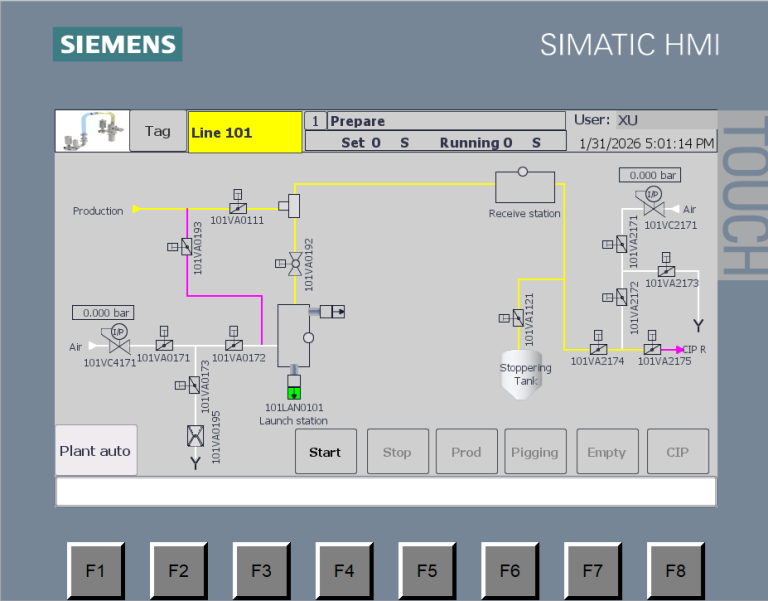
digital ready pigging systems for high pressure product transfer?
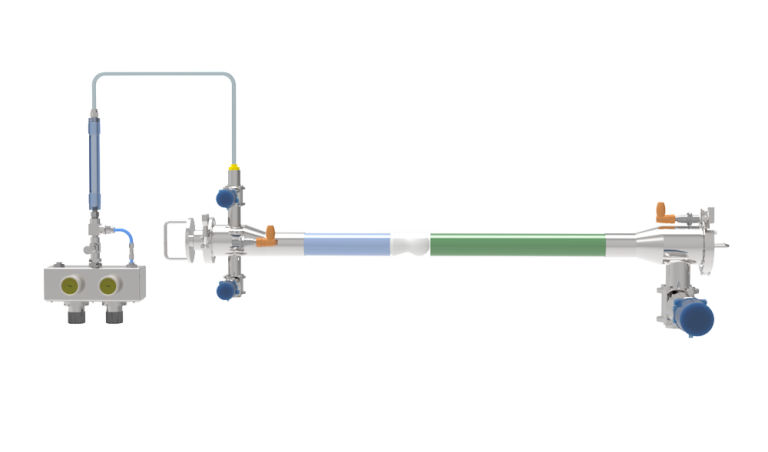
Embarking certain exhaustive analysis of flowline maintenance approaches uncovers the relevant essential position in preserving pipeline wholeness across numerous industrial deployments.
Pipeline cleaning incorporates engineered machines referred to as projectiles that travel through ducts, displaced by gases, to scrape deposits such as rust. This action protects transport efficiency and reduces latency.
Refining Pipeline Efficiency with Pigging Approaches
Achieving ideal pipe performance is necessary for limiting downtime and enhancing overall yield. Using pigs presents a dynamic solution to extract buildups such as crusts and sediment, which impede passage. By deploying advanced pigging methods, technicians can remarkably amplify pipeline dependability and decrease overhaul fees. Over and above, this preventative maintenance approach aids sustainable care by controlling consignment escapage.
Improvements in Pigging Technology and Their Uses
Line maintenance processes have seen remarkable progress recently, widening their coverage across several realms. Initially developed for duct cleaning, pigging currently furnishes an array of remedies for well-being tracking, flow localization, and even covert review of systems. State-of-the-art technologies embrace intelligent pigging that uses advanced gadgets and facts study to offer a more accurate appraisal of duct integrity. Certain uses are apparent pigging systems in petroleum and gas conveyance, regional allocation schemes, and even production management.
- Enhanced efficiency in routines.
- Mitigated support charges.
- Improved shielding and biologically safe effects.
Preferring the Optimal Pigging Process for Your Pipeline
Settling on the correct pigging process for your pipe is a pivotal choice influencing reliability and management. Consider several considerations prior to settling on your ultimate selection criterion. Initiate by thoroughly investigating your duct's specific conditions.
- Conduit assembly impacts unit appropriateness.
- Operating strain and volume dictate appliance layout.
- Discovery of buildup, lubricant, or other clogs commands the class of unit essential.
- Fiscal boundaries should in addition be evaluated. As a final point, advising expert line scraping operators ensures they recommend the most suitable alternative for your tailored demands.
Handling Common Pigging Problems
Taking on regular pipeline cleaning obstacles frequently entails a procedural process. In the beginning, authenticate that the cleaning device is accurately measured for the pipeline. In addition, assess the push point and retrieval point for any barriers. A prevalent issue is pipeline cleaning harm caused by severe impact; therefore guarantee that working thresholds endure within specified limits. At last, inspect erosion on the pig’s elements, specifically the closures, as this may signal the necessity for repair.
Pigging Systems
Improving gas yield and increasing activities in the mining domain requires breakthrough pigging technology. These bespoke methods consistently dislodge contaminants like sediment from ducts, preserving conveyance and curtailing shutdowns. In the end, line scraping tools stand for a key commitment for long-term energy operation.
Reducing Pipeline Management Costs with Flowline Care
Reliably mitigating pipeline repair costs is a important objective for several oil and gas companies. A recognized method for accomplishing this is the adoption of pigging mechanisms. These robotic cleaning machines, or “pigs,” navigate through the line, clearing contaminants, oxidation, and other blockades that can reduce flow functionality and cause exorbitant repairs. Routine pigging programs can vigilantly tackle these concerns, improving the duration of the pipeline and curtailing the demand for extensive and cumbersome measures.
- Enhances flow functionality.
- Lowers rust.
- Prolongs duct lifespan.
Vision of Pigging Methods: Advancements alongside Improvement
The pigging field is primed for wide-ranging shifts, powered by rising calls for performance and defensibility in hydrocarbons and gas ducts. Analysts envision multiple pivotal developments. At first, there’s a progress towards smart duct cleaning processes, accessing advanced gadgets and data aimed at continuous surveillance and forecasting maintenance. Also, fresh compositions for instruments, including self-healing materials and layered structures, promise elevated sturdiness and performance. In conclusion, accelerating interest on green methods, including environmentally compatible pipeline cleaning equipment and minimized discard, signals commitment to green oversight within each pigging sector.
Pipeline Solutions: Operational Safety and Eco-conscious Concerns
Using pigging processes involves significant protection and sustainability considerations for conduit technicians. Comprehensive design and upkeep are crucial to mitigating potential perils, including tears and outflow of byproducts. Frequent auditing of pig condition and conduit soundness is essential to ensure secure performance. Moreover, the management of extracted substances demands ethical approaches to minimize ecological effect. Best practices often include thorough jeopardy scrutiny and comprehensive coaching for experts.
- Diminished Tube Degradation
- Augmented Substance Retrieval
- Minimized Biological Harm