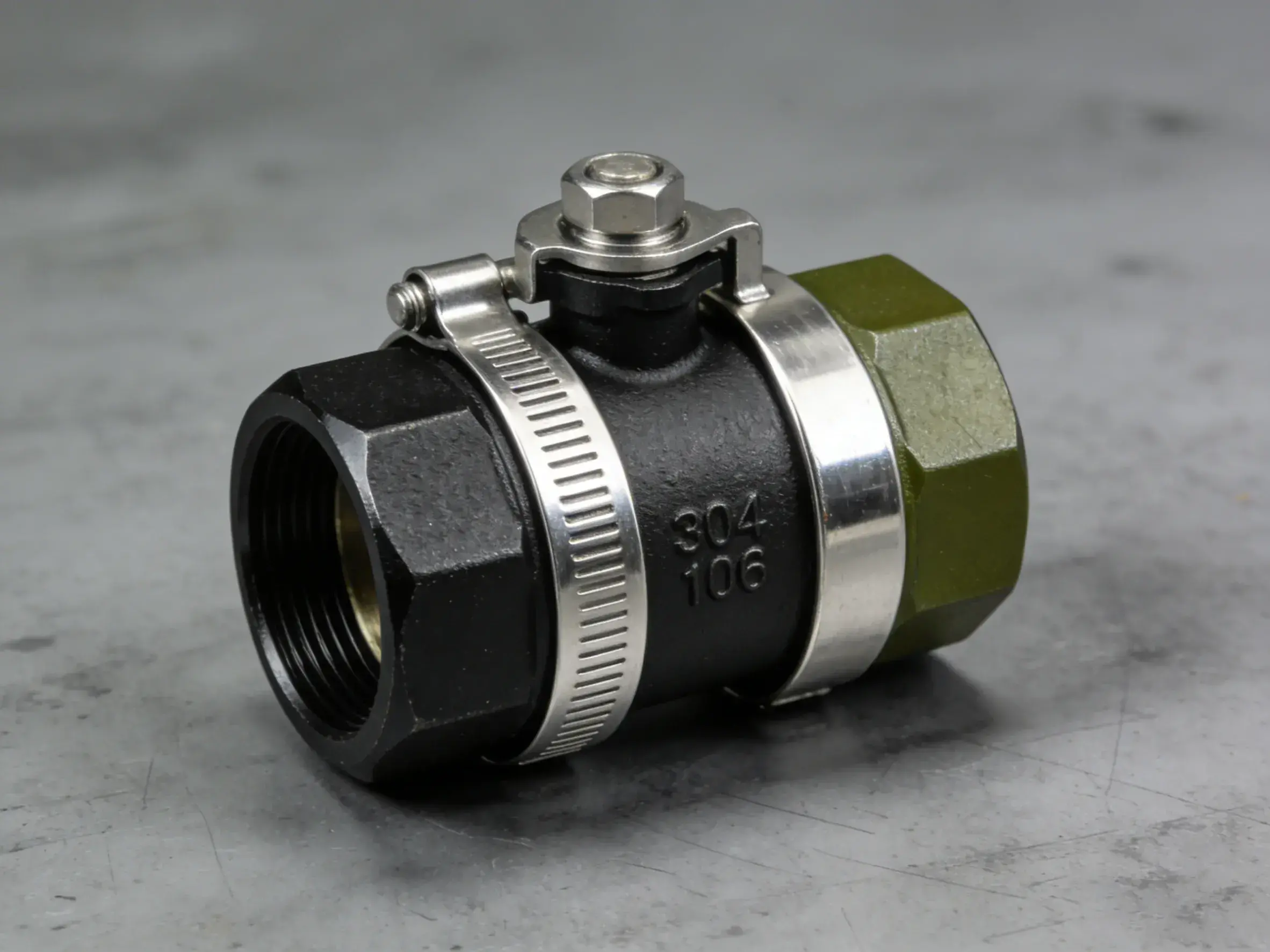
growth focused skid ready butterfly valve groups?
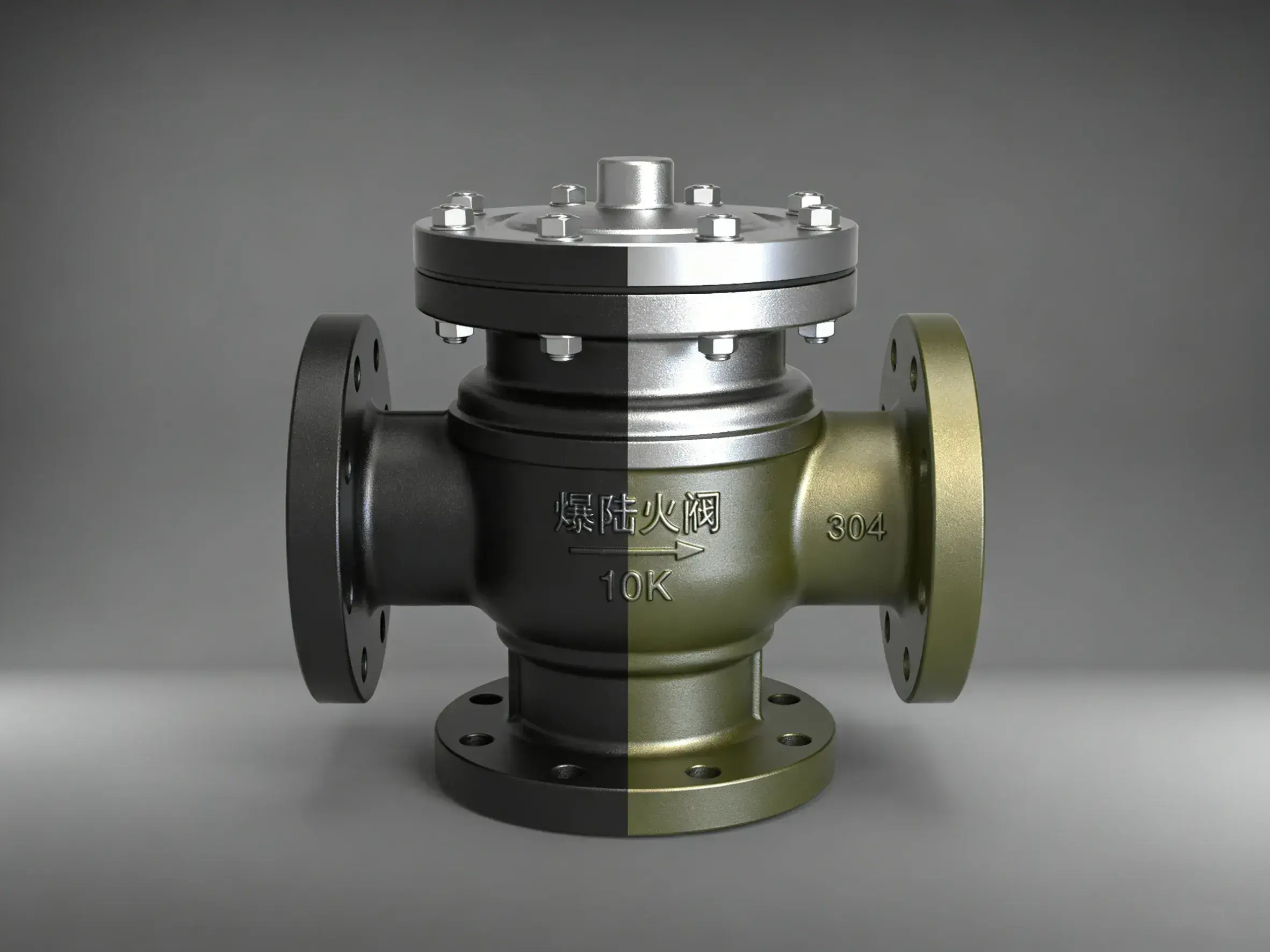
Paramount industrial valve determination enhances operational efficiency alongside total system efficiency. To achieve best functioning, one must scrupulously select valves that fit application demands.
A thorough valve selection directory ought to regard a set of determinants covering fluid composition, load pressure, temperature bracket, flowing volume, and controlling standards. Additionally, determining the preferred valve activation system, for example pneumatic, hydraulic, or electronic, is critical.
Thorough Analysis of Butterfly Valve Capacities
Figuring out suitable operational metrics for butterfly valves is necessary for analysts striving for efficient system regulation. Study focuses on fundamental components affecting butterfly valve efficacy, embracing constituent traits, application surroundings, and measuring processes. Via detailed evaluation of those factors, the text seeks to offer an extensive comprehension of influences on butterfly valve effectiveness.
- Design characteristics prominently impact entire productivity
- Constituent elements of valve frame considerably impact lifespan in versatile workplace situations
- Pressure drop is a key consideration when evaluating butterfly valve performance, especially in applications requiring high flow rates
Ball Valve Applications in High-Pressure Systems
Ball valves become valued options for managing considerable pressure conditions. Their plain structure incorporates a circular pellet with a hole that turns to direct the flow of liquids. This formation effectively overcomes heightened pressure conditions attributed to its reliable seal.
Across industries such as fossil fuel, ball valves assume an indispensable position in administering high-pressure lines. Their resilience appoints them capable of braving the effect of heightened pressure matter.
- Besides, ball valves deliver swift movement, granting effective fluid regulation.
- Found in assorted elements and proportions, ball valves adapt to fulfill particular prerequisites of multiple intense pressure scenarios.
Identifying Various Valve Varieties and Their Capacities
Within fluid mechanics, valves serve an essential duty in regulating liquid or gas movement. Electing proper valve variant is essential in realizing effective system functioning. Valves distinguish through their mode of action, form, and usage pattern. Typical valve categories comprise gate, globe, check, ball, and butterfly varieties. Each category reveals individual traits, fitting them for designated operations. Notably, gate valves modulate flow totally, while globe valves facilitate exact management of volume. Check valves avert back stream, enabling exclusive passage. Ball valves offer quick and reliable on-off operation, while butterfly valves are efficient for high capacity applications.
Elevating Flux Control through Industrial Valves
Handling movement of fluids and gases is significant in numerous operational domains. Industrial valve apparatuses maintain primary responsibilities guiding the flow of fluids and vapors across facilities. Employing suited valve categories along with effective control tactics allows producers to enhance operational productivity, security, and output excellence.
A significant subject in boosting flow adjustment involves familiarity with several valve functions. Varied valve patterns correlate with specialized flux properties, burden scopes, and deployment surroundings. Specifically, globe valves repeatedly operate for flow control, while ball valves perform well in on/off switching.
To maintain exact flow governance, one must evaluate criteria including valve scale, operating mechanisms, and regulation setups. Incorporating progressive control setups such as PLCs delivers automated fluid monitoring and regulation, enhancing operational performance.
Routine care of manufacturing valves is necessary for reducing faults and ensuring effective flow governance. Noticing immature issues rapidly supports minimizing expensive stoppages and maintaining consistent functionality of key procedures.
Conservation Steps for Industrial Valve Equipment
Routine upkeep of factory valve systems is essential for securing stable and trustworthy functioning across industries. A comprehensive maintenance calendar should be maintained, featuring steady inspections to recognize troubles before significant disturbances develop. Maintenance of valve fittings through lubrication following manufacturer directives extensively improves endurance and lowers abrasion. Also, caring for valves by purifying obstructions contributes to seamless functioning.
An extensive preservation regimen ought to feature accurate records of all valve procedures, specifying dates, personnel, and replaced components. Exact record-keeping propels evaluation of valve working state historically and assists strategic management for renewed preservation.
Effect of Automation on Valve Performance
The introduction of automation has altered how valves perform within multiple fields. Utilizing automated controls allows operators to optimize valve management, reducing human involvement and boosting process efficacy. Programmed valve control contributes several advantages like enhanced precision, decreased breakdowns, and improved safety measures
- Analytics devices serve key functions within automated valve networks, reporting immediate details regarding valve alignment. Such feedback is analyzed by management units to dynamically modify valve parameters
- Supervisory automation solutions usually manage mechanical valve activities, allowing elaborate control procedures. These solutions control valve work, discover complications, and implement remedial fixes
Furthermore, automated valve functioning enables enhanced operational tracking. Via acquired valve analytics, engineers extract vital understanding to boost workflow efficiency and minimize charges
Fundamental Safety Guidelines for Valve Setup
When mounting valves in industrial settings, meticulous safety standards are fundamental. Bypassing essential safety requirements leads to harmful accidents, probably ending with plant breakdowns and significantly employee casualties. A systematic risk study requires execution ahead of fitting suspected threats and implementing fitting safeguards.
Ensure that every participant in installation efforts is skillfully trained and certified for industrial valve management and compliance with safety policies. Institute a systematic calendar of maintenance checks intended to spot malfunctions or wear on valves. Retain complete paperwork covering all installation, evaluation, and servicing efforts to support long-term management
- Comply relevant industry standards and regulations governing valve installation and operation
- Deploy proper gear and hardware intended for production valve placement
- Coordinate clearly with every participant related to the initiative to guarantee secure and smooth assembly
Valves: Fundamental Parts in Manufacturing Fields
Throughout the tangled network of industrial/processing/manufacturing realms, valves stand pivotal components. Their role is to direct the stream of liquids inside complicated setups, guaranteeing smooth performance and protection. Valves function diversely across manifold duties, including control of warmth and pressure alongside product transit
- Various types of valves exist, each designed to perform specific functions. Some common examples include gate valves, ball valves, and globe valves
- Valve choice hinges on variables including capacity, compression, temperature scale, and liquid nature
- Consistent valve activity stays necessary in production sectors to reduce breakdowns and safeguard product integrity
Consistent assessment of valves is necessary for maximizing longevity and minimizing risk of faults
Cutting-Edge Components in Valve Engineering and Production
The advancement in valve engineering and production greatly depends on ongoing investigation of innovative substances. These innovative materials provide diverse enhanced traits over conventional options, allowing designers to devise valves that perform better. Notable samples feature robust ceramic compounds prized for rigidity under severe applications, alongside featherweight metals that boost output while lowering heft. The incorporation of such progressive substances leads to valves featuring superior sealing capabilities, extended durability, and better immunity to degradation
Valve Triggering Methods: A Comparative Evaluation
{This investigation delves into the diverse valve actuation mechanisms prevalent in modern engineering applications|This exploration examines the varied valve drive technologies common in contemporary engineering uses|The study analyzes the mixed valve triggering systems typical in current engineering projects|This research evaluates the assorted valve motion methods widespread in advanced engineering scenarios|The survey inspects the multiple valve control techniques existing in up-to-date engineering solutions|This review considers the assorted valve operating mechanisms encountered in present-day engineering butterfly valve environments|This analysis explores the various valve activation systems found in progressive engineering implementations|The inquiry scrutinizes the heterogeneous valve act