profit maximizing eco conscious jewelry electroplating practices?
Learning About The Process of Jewelry Electroplating
Anodic Layering implements an electrical current to deposit metal ions onto the surface of jewelry. The main structure acts as the electric sink, while a piece of desired metallic element serves as the donor terminal. As the current flows, metal ions from the anode proceed to the electron acceptor, where they adhere to form a thin metallic film on the jewelry's surface.
Electroplating allows varied metal kinds that yield unique results. Titanium remain preferred for their sparkle, while tin is often used to produce various surfaces. The thickness of the plated layer can be controlled to attain different levels of shine.
Unveiling Gem Weight Importance
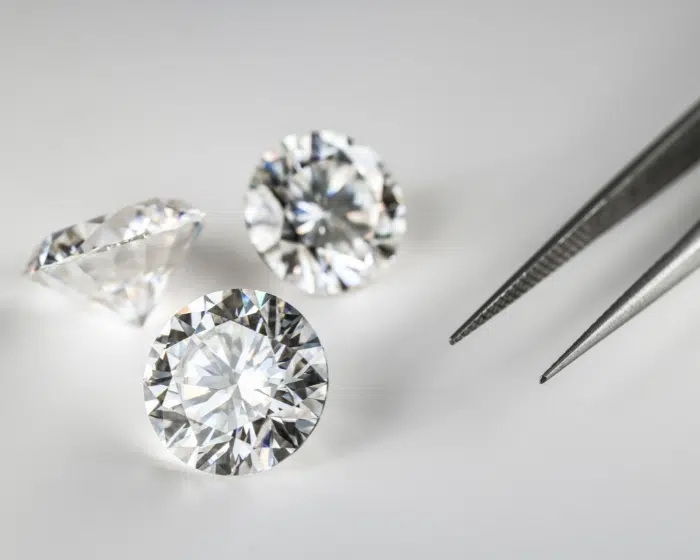
Gem weight is a important factor in evaluating the value of a valuable stone. It signals the gem's mass, traditionally measured in carats, where one carat equals 200 milligrams. A more massive carat weight often results in a amplified price, though other factors such as color, clarity, and cut also matter substantially. Observing carat weight can help investors in making informed selections when acquiring gemstones. It is important to remember that carat weight is not the sole benchmark of value; all angles must be considered for a complete investigation.Understanding Gold-Plated Adornments
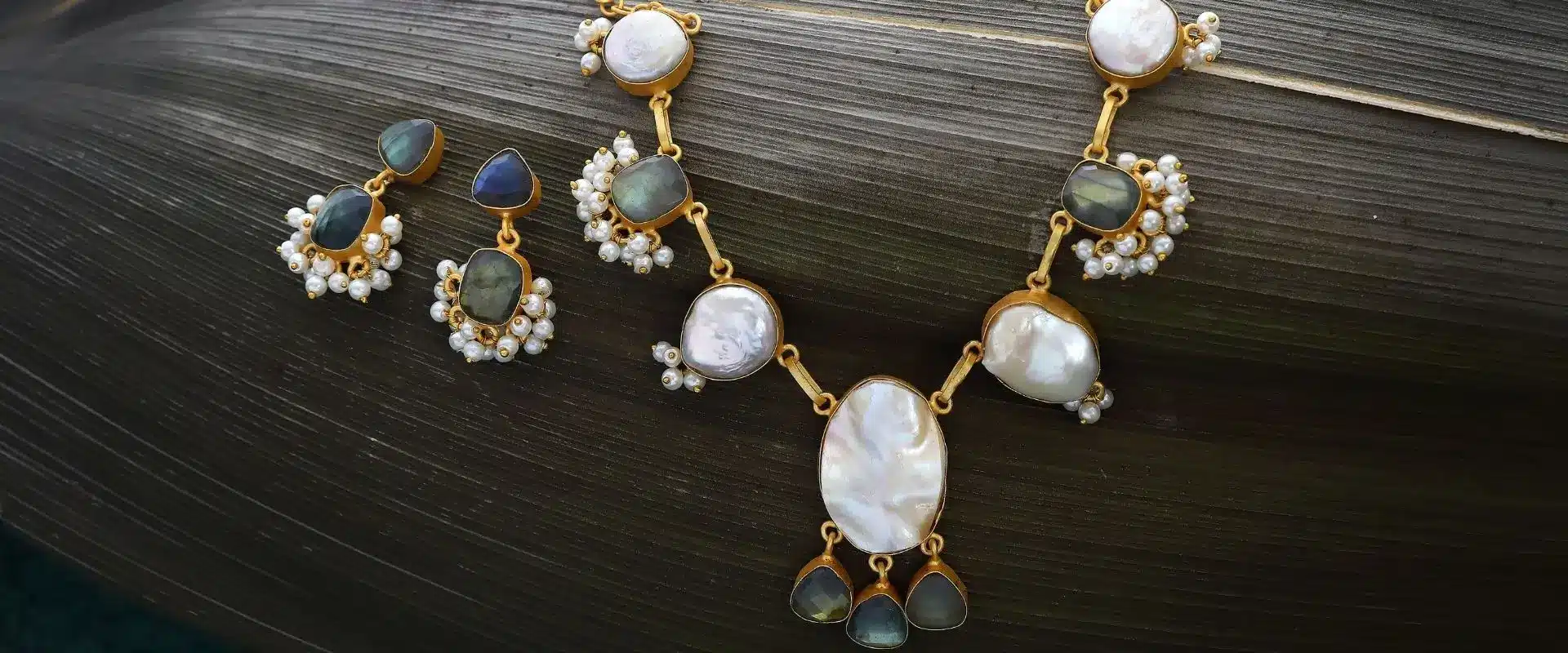
Metallic gold jewelry has allured users for centuries. The magnetism lies in its radiant shine that replicates the magnificence of real gold but at a affordable rate. Whether simple strings or eye-catching earrings, these accessories instantaneously increase any attire and bring a bit of chic to your image.
- Crafted from a base metal coated with thin gold, gold-plated jewelry provides a practical option for those seeking economic gold finish.
- Even so, keep in mind that over time the gold layer can wear due to exposure to humidity, chemicals, and scraping.
- With routine preservation, your gold-plated ornaments can hold strong, providing joy and style.
Brass vs Stainless Steel Insights
When opting for a compatible metal for your project, endurance is imperative. Both brass and stainless steel are favored metals, each with its unique advantages. Brass, with a golden hue, is valued for workability and resistance to tarnish. Conversely, stainless steel is prized for outstanding durability and a smooth style.
- Review your project’s requirements: will it encounter harsh surroundings? Do you need a metal that withstands heavy strain?
- Style are also critical. Brass offers a traditional aura, whereas stainless steel presents a fresh style.
- Expenditure always matters. Brass tends to be cheaper compared to stainless steel, although final costs depend on the type of metal used.
By thoughtfully assessing these factors, you can select the metal that best matches your project and create a splendid result.
The Gleam of Brass Jewelry: Affordable Elegance
Introducing touch of vintage charm or avant-garde look to your wardrobe has never been less costly thanks to alloy adornments. Cost-effective and remarkably flexible, brass pieces can raise all appearances from casual to chic.
A extensive collection of styles are available, from delicate pendants to chunky loops. The radiant tawny hue of brass accentuates a wide range of complexions and adds a unique touch to your bearing. Whether you opt for modest designs or more complex styles, these jewelry pieces are waiting to be revealed.
Don't let the accessible rate of brass jewelry confuse you – these pieces possess ageless fashion and can be strategically combined for both informal and state appearances.
Stainless Steel: Toughness in Style
Tough metal jewelry has attained exceptional traction in recent times. Its notable sturdiness coupled with fashionable looks makes it a favored choice among clients of all ages and aesthetics. Unlike classic metals, stainless steel is highly inert against decay, ensuring your jewelry remains pristine for long stretches. This results in an practical option for frequent wearing.Moreover, stainless steel can be crafted into a ample variety of styles, from restrained pieces to fancy creations. It accepts various coatings, exemplifying polished, brushed, and even patterned surfaces. This pliability makes stainless steel jewelry befitting for any event, whether ordinary or official.
Jewelry Surface Coating Methods
Across centuries, jewelers have implemented electroplating to enhance appearance and strength to their creations. Historical methods like gold finishing are still favored, giving pieces a warm glow. However, the realm of electroplating continuously progresses, welcoming modern techniques to create stunning surfaces. Leading-edge methods such as chromium application offer a variety of surfaces, from the icy brilliance of white gold to the deep, dark richness of black rhodium. The choice of electroplating technique is decided by numerous factors, including metal mix and intended function. Whether a graceful loop or a commanding item, electroplating remains an indispensable tool for jewelers to elevate their work and impress discerning buyers with sustained charm.Gold Enhancement Processes
Gold leafing brings a specialized skill to improve the appearance of items. This process involves depositing a slim coating of gold onto a base material, producing a gleaming, tough coating. From exquisite trinkets to luxury household items, gold plating introduces a note of grandness.
- Gold plating can renew ordinary articles into precious masterworks.
- Skilled craftsmen use various techniques to achieve a flawless gold-plated glaze.
- Gold plating is often executed in industries such as decorative arts, where longevity and a polished appearance are essential.
The Carat: Gemstone Measurement Guide
When discussing precious stones, understanding how their volume is quantified is essential. This is where the carats comes into play. A carat, often abbreviated as "ct", is the standard measurement used to communicate precious stone weight. One carat equals 200 milligrams or 0.2 grams.
The background of the name carat is linked to the carob seed, a pod legume historically adopted as a standard balance. The consistency in size and weight of these seeds made them ideal for trade and weighing purposes.
- Notably, carat weight is not directly linked to the magnitude of a gemstone. For example, a 1-carat emerald can be larger than a 1-carat ruby due to different mass concentration.
- As a result, it’s vital to remember that carat weight alone doesn’t establish gem value. Other factors such as color, clarity, cut, and origin also have significant roles.
Charming Plated Jewelry: Stylish yet Budget-Friendly
Surface-finished ornaments has seized the hearts of fashion supporters internationally due to its coupling of class and cost-efficiency. It offers a route to sport beautiful ornaments without exceeding budgets.Regularly, plated jewelry features a base metal overlaid with noble metals. This process enhances the radiance and durability of the piece, yielding jewelry that looks like higher-priced counterparts.The splendor of plated jewelry lies in its adaptability. From delicate earrings to conspicuous necklaces, there’s a range for every desire and celebration. Whether you aspire to lasting or contemporary styles, plated jewelry offers a trove of options.Adding the appeal is the style of mixed metals, where different variations of plating are blended for a uncommon and modern appearance.Jewelry Metal Selection: Key Considerations
Settling on jewelry metals significantly impacts both design impact and toughness. A wide array of metals are available, each with particular properties, price points, and symbolic meanings. From the enduring grandeur of gold to the contemporary gleam of platinum, understanding metal nuances helps find the perfect match for personal style and requirements.Evaluate whether you prefer a radiant metal like yellow gold or a soft look with white gold or silver. If sturdiness is paramount, titanium offer superior strength and durability under wear. For those seeking a unique tone, rose gold and copper introduce pleasant hues.At last, the best metal for jewelry relies on lab grown diamonds your individual preferences and lifestyle. Consider the variety of available options to find the ideal metal that supports identity and lasts a lifetime.